Srbija
 Hrvatska
 Slovenija

Former intelligence officer: VRS had a price list for foreign shooters to killing civilians during Sarajevo siege


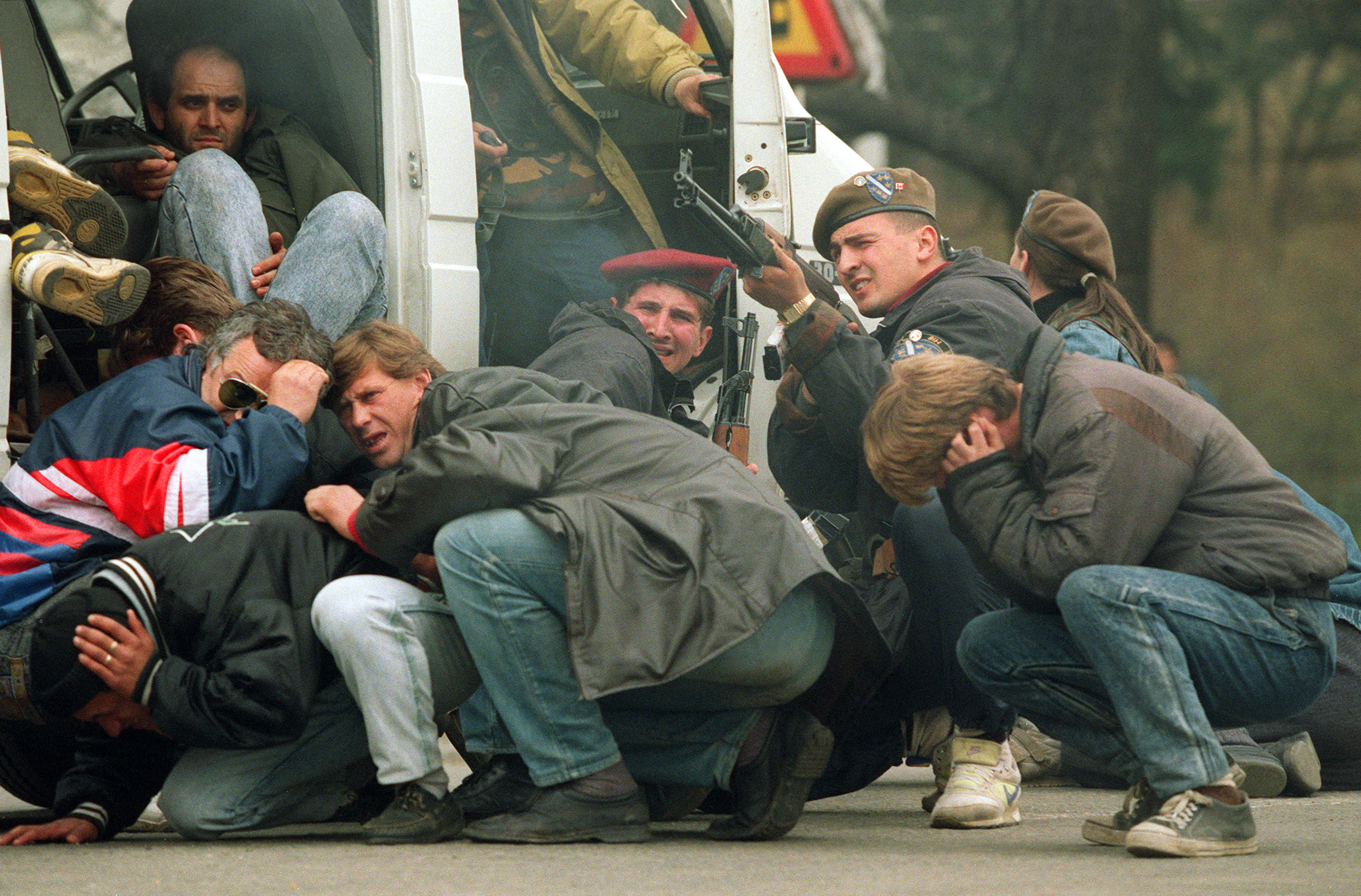
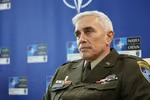
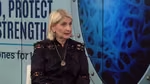
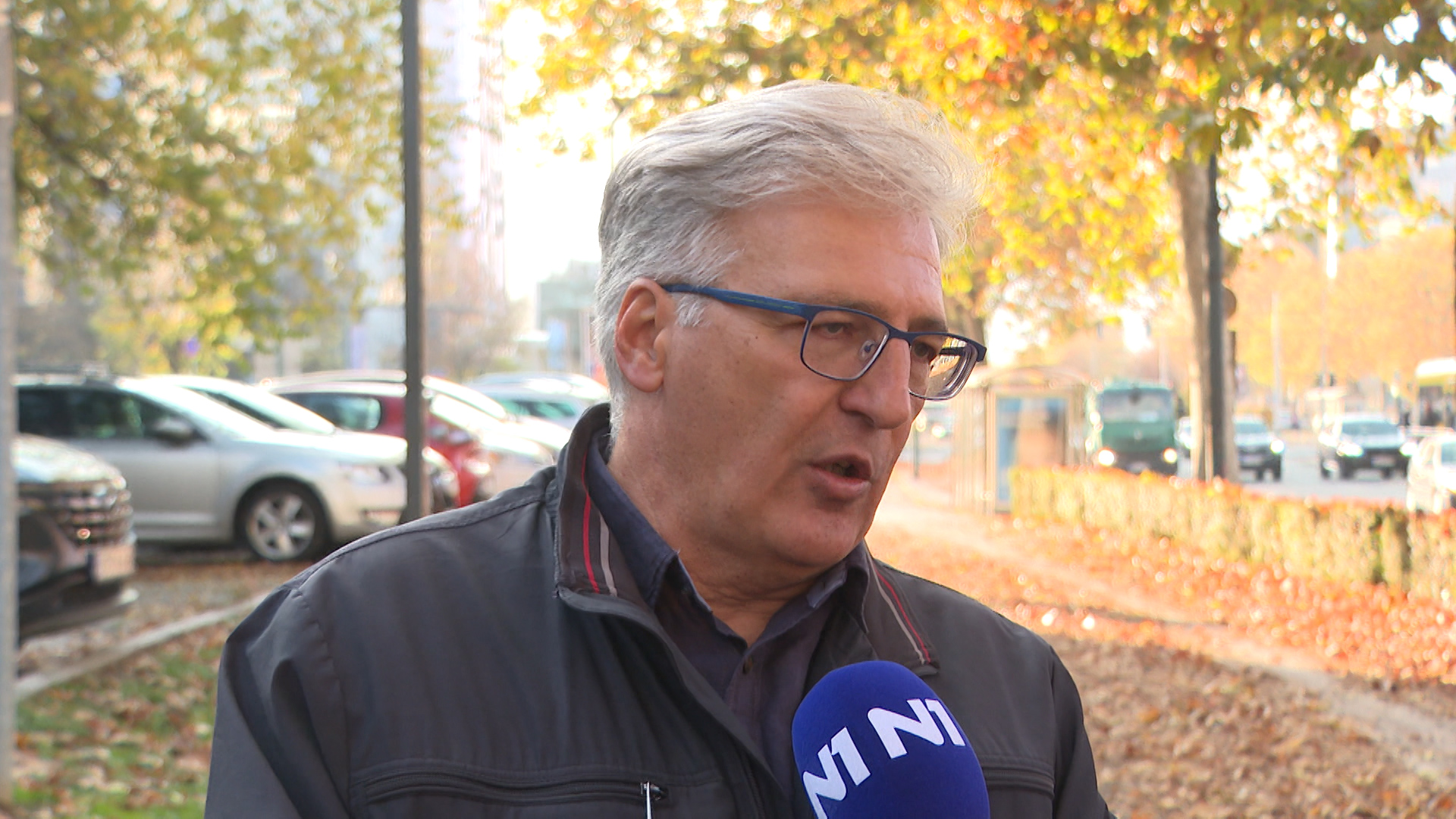
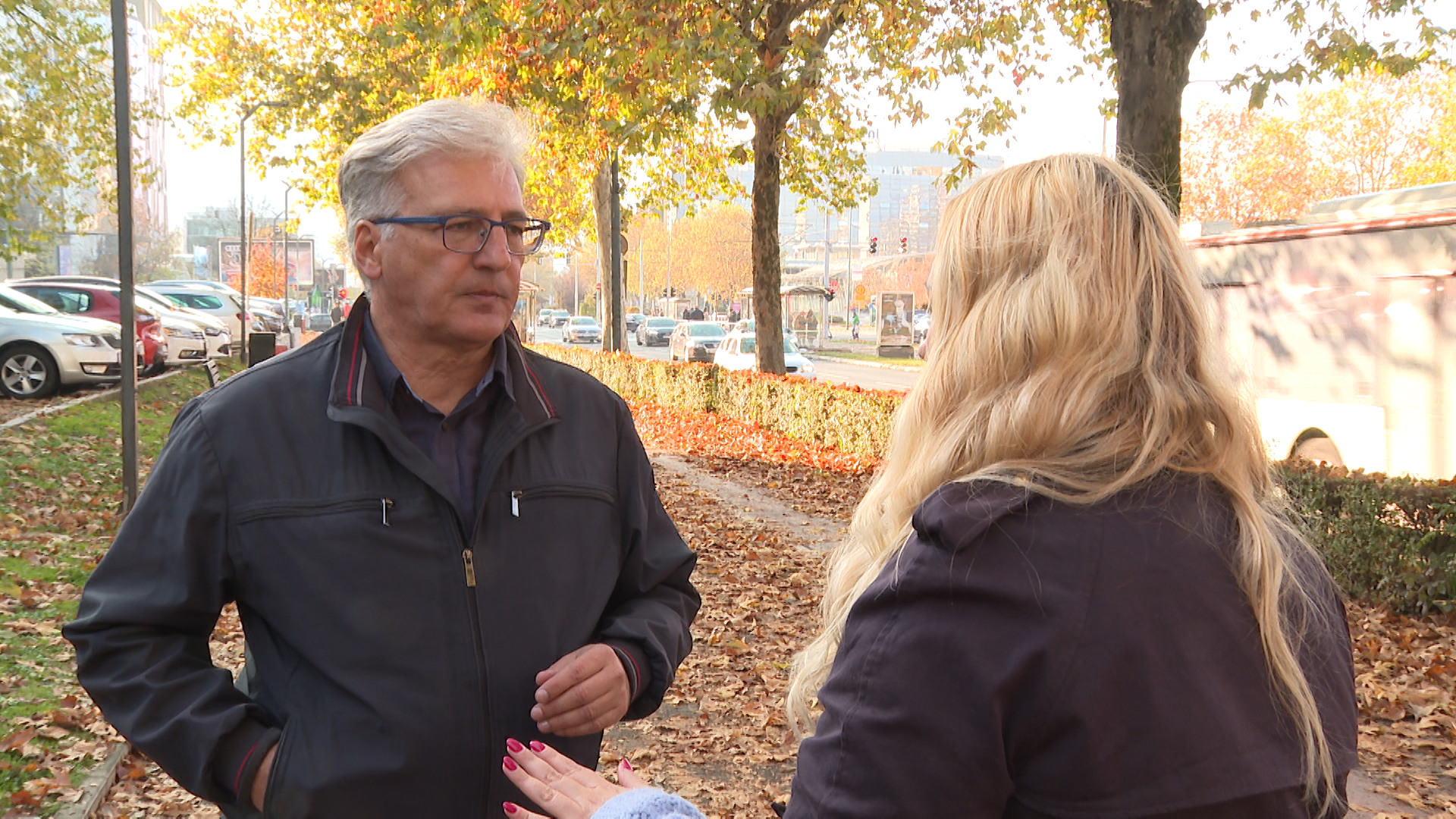
“The most morbid aspect of the ‘Sarajevo Safari’ was that there was a price list for how much a weekend hunter had to pay members of the Army of Republika Srpska on Grbavica in order to shoot at civilians, adults, women, children, pregnant women, soldiers. It’s difficult for any rational mind to comprehend, but it simply happened, and we have to accept those facts,” said retired brigadier of the Military Intelligence and Security Service of the Armed Forces of Bosnia and Herzegovina, Edin Subasic, in an interview for N1.
More than three decades after the siege of Sarajevo, the Italian Prosecutor’s Office has launched an investigation that could shed light on one of the darkest and least-known aspects of the Bosnian war, the story of so-called “sniper tourists,” foreign nationals who, according to witness testimonies and intelligence sources, paid to shoot at civilians during the siege of the Bosnian capital.
The investigation was opened based on a report filed by Italian journalist and author Ezio Gavazzeni, who, after years of research, submitted documents and testimonies to the Milan Prosecutor’s Office. He also spoke about the matter for N1.

A case opened following a criminal report by Benjamina Karic
Mr. Subasic, what can you tell us at this stage about the investigation launched by the Milan Prosecutor’s Office? What are your latest findings that can be shared without jeopardising the ongoing inquiry?
“You see, the story of the Sarajevo Safari has been public for about three years now, since the film appeared at the AJB Doc Festival. As far as Bosnian justice is concerned, the then mayor of Sarajevo, Benjamina Karic, filed a criminal complaint against unknown persons for that war crime. The film also prompted journalist and publicist Ezio Gavazzeni from Milan to conduct his own investigation on the Italian side, into those “weekend snipers”, based on the same information we already had.
“In the meantime, as far as I know, nothing has actually happened within Bosnia’s judiciary, apart from the fact that a case was opened following the mayor’s complaint. But in Milan, based on the same data and possibly some new findings Gavazzeni obtained, an official investigation has been launched against individuals who came from Italy during 1993 and 1994.
“The acting prosecutor of Italy’s state prosecution opened a case against individuals who, as far as I know, are no longer unknown persons. In other words, some of the perpetrators have been identified, and the ongoing investigation will likely unravel the network behind it, the organisation, the travel routes, their arrival in Sarajevo, the payments, the shootings, the return trips, and should clarify all of these aspects, especially the one most important to us: the local organisation on the Sarajevo frontlines. Who received them, who directed them, who protected them, that we still do not know. That should be the job of the state prosecution.”
Do you think the Italian could lead to changes here? Is it discouraging that trials might happen abroad, while nothing moves forward at home?”
Of course, it’s discouraging, and frustrating for all of us. But it also shows the difference between a state that functions, one that wants to clean up its own mess and confront difficult truths, and a state that doesn’t function.”
How do you think the Milan investigation could affect Bosnia’s judiciary?
“We can’t predict that, but one thing is certain: since the release of Sarajevo Safari, the defence strategy of the perpetrators has been complete denial. They claimed it never happened, that it was fabricated to smear the Army of Republika Srpska, that it was impossible. But what’s happening in Milan now disproves that narrative. It did happen.
“And from what I’ve seen in Italian media, which I can confirm, I was shocked by the number of people involved. So far, it’s known that almost 200 people came on weekends, in groups of five or six. How long it lasted, we don’t yet know. We know it happened in 1993 and 1994 — whether earlier or later is something that still needs to be clarified. And frankly, I think it’ll be easier to uncover in Milan than here.”
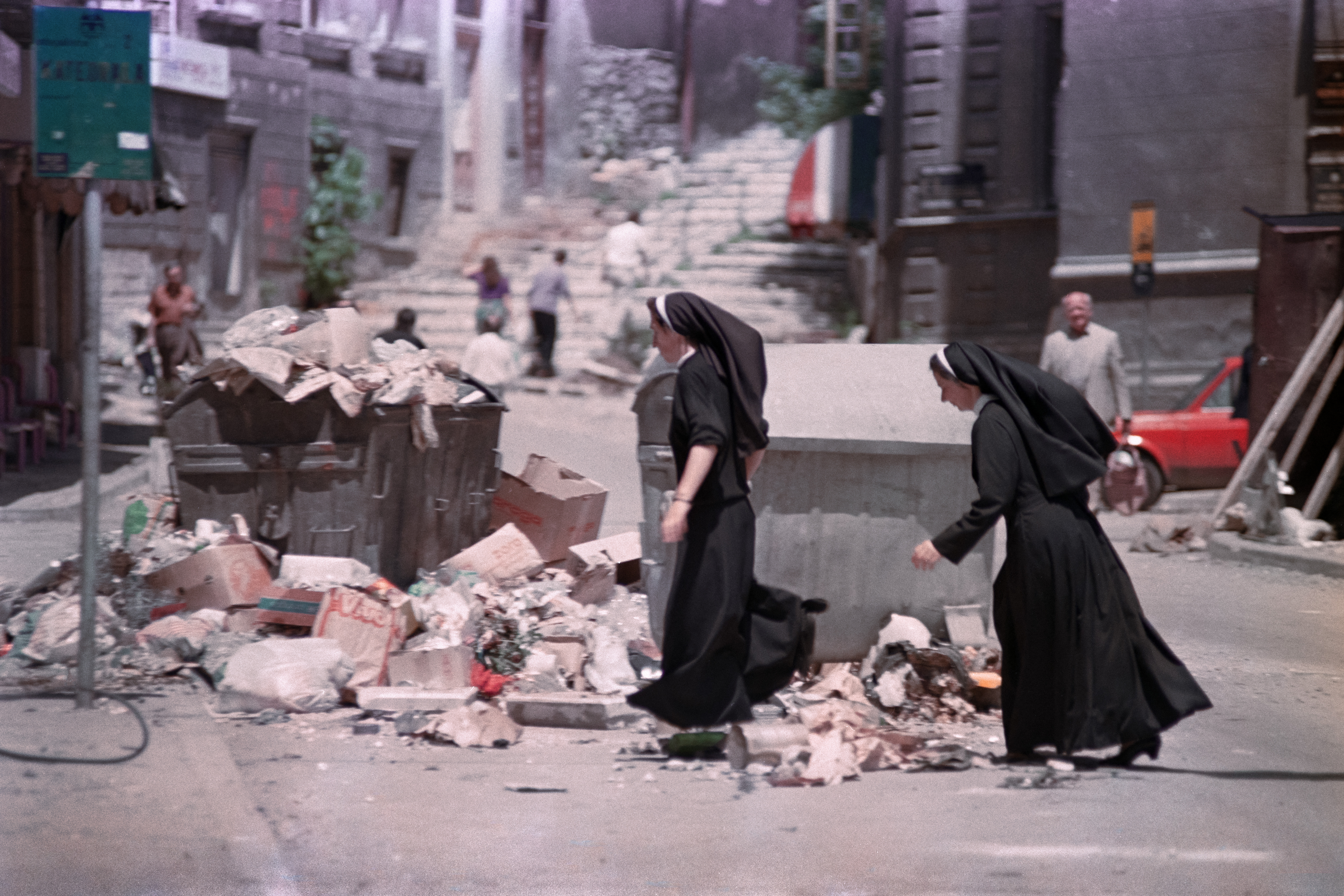
A price list for killing
There were reports that extra money was paid for killing children. Fikret Grabovic, like many other parents, has been seeking justice for 30 years. He says he still has the strength to fight. Do you have that same strength after all these years and all the obstacles? How do you feel personally about all this?
“You can either give up and try to live a quiet life, or you can face the problem head-on and try to solve it. I do this because I believe resolving such a case would contribute to reconciliation, by transforming so-called collective guilt into individual accountability, assigning responsibility to specific names, those listed in indictments and verdicts.
“The only thing that perhaps works in justice’s favour here is the fact that war crimes do not have a statute of limitations, even though much time has passed. Witnesses die, even suspects die.
Do you have information about the individuals involved, whether they are still alive or deceased?
“We know that some of those identified have since died, they were already middle-aged back in 1993. However, those who were younger then are still available to justice, and they should now be the focus of investigation and prosecution. I hope the Milan Prosecutor’s Office will take this case to the end.
“That hope is supported by the fact that they publicly announced the opening of the investigation, which means there was enough evidence and information to begin. Gavazzeni told me the process could take time, it’s not easy, and not all perpetrators will be found, but I believe that even identifying and charging a few individuals could at least reveal how the system functioned: whose idea it was, who organised it, and how it operated.
“We now know large sums of money were involved. And as I said earlier — the most grotesque aspect is that there was a price list: how much a weekend hunter had to pay members of the Army of Republika Srpska on Grbavica to shoot at civilians — adults, women, children, pregnant women, and soldiers.
“It defies reason, but it happened. And those facts must be accepted.”
Kakvo je tvoje mišljenje o ovome?
Učestvuj u diskusiji ili pročitaj komentare


Kakvo je tvoje mišljenje o ovome?
Učestvuj u diskusiji ili pročitaj komentare